
Call us now :08045804827
 Send Inquiry
 Send Inquiry
Therminol 55 Heat Transfer Fluid
MOQ : 1 Barrel
Therminol 55 Heat Transfer Fluid Specification
- Condition
- New
- Type
- Once Through
- Usage
- Industrial
- Structure
- Others
- Pressure
- Low Pressure
Therminol 55 Heat Transfer Fluid Trade Information
- Minimum Order Quantity
- 1 Barrel
- Supply Ability
- 100 Barrels Per Week
- Delivery Time
- 3 Days
- Main Export Market(s)
- Asia
- Main Domestic Market
- All India
About Therminol 55 Heat Transfer Fluid
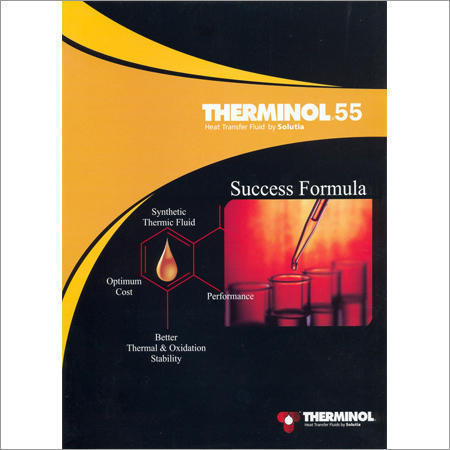
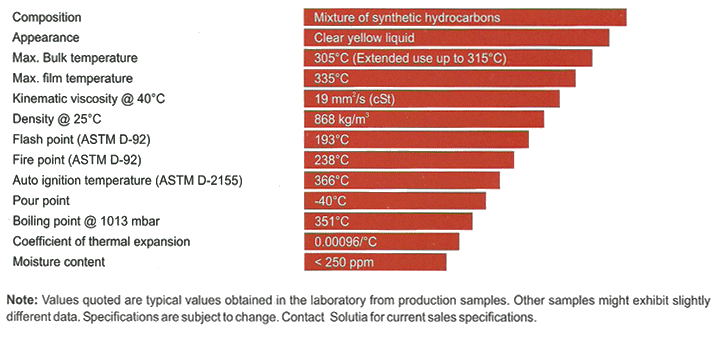
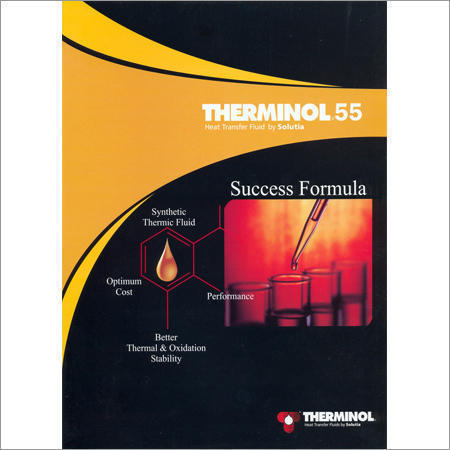
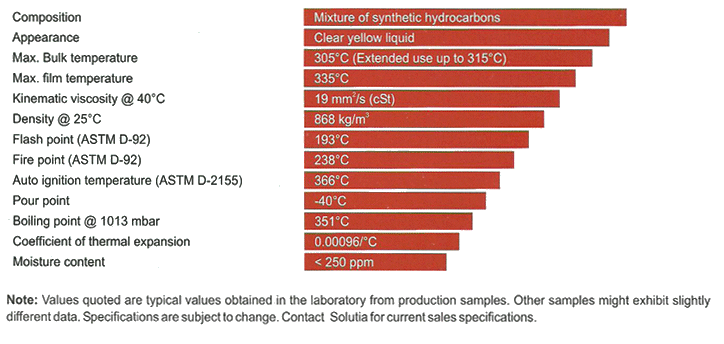
Therminol 55 is a synthetic heat transfer fluid used in moderate-temperature applications. Therminol 55 fluid is designed for use in nonpressurized/low-pressure, indirect heating systems. It delivers efficient, dependable, uniform process heat with no need for high pressures.
Performance Benefits
- Long LifeYou will get years of reliable, cost-effective performance, even when operating your system continuously at 300C (570F). This means you do not have to overspecify your fluid.
- Excellent resistance to foulingBecause Therminol 55 is a synthetic fluid, it resists the effects of oxidation 10 times better than mineral oils, meaning less oxidation and solids formation. For systems without nitrogen inerting, the performance advantages are significant.
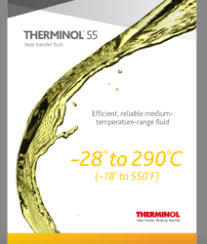
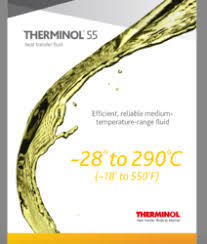
- Excellent Low-Temperature PumpabilityTherminol 55 is still pumpable at 28C (18F ), compared to some mineral oils that will not pump at temperatures below 7C (20F ). With Therminol 55, your heat transfer fluid system can start up quickly and easily
Applications
- Asphalt
- Asphalt storage
- Biomass - orc
- Cement - waste heat recovery + orc
- Gas to liquid (gtl)
- HTF - production of bio alcohol
- HTF - production of biodiesel
- Hot mix asphalt
- Natural gas purification
- Oil or gas processing
- Polymer & plastic
- Waste heat recover + orc
Key attributes
- Excellent Low Temperature Pumpability
- Excellent resistance to fouling
- Long Life
Engineered for Industrial Efficiency
Therminol 55 Heat Transfer Fluid is specifically formulated for demanding industrial environments where consistent thermal performance and safety are crucial. Designed to function efficiently under low pressure, it provides reliable temperature control in a wide range of applications, ensuring system integrity and operational productivity.
Versatile Applications and Supply Network
As a new product on the market, Therminol 55 is accessible through a broad network of distributors, exporters, manufacturers, service providers, suppliers, and traders across India. Its adaptability suits multiple industrial sectors, offering both economic and performance advantages for users who require a once-through heat transfer system.
FAQs of Therminol 55 Heat Transfer Fluid:
Q: How is Therminol 55 Heat Transfer Fluid used in industrial applications?
A: Therminol 55 is utilized in closed-loop, once-through heat transfer systems to transport heat safely and efficiently under low-pressure conditions. It is commonly used in processes requiring precise temperature control, such as chemical manufacturing, plastics, and food processing industries.Q: What are the key benefits of using Therminol 55 Heat Transfer Fluid?
A: Major benefits include excellent thermal stability, low maintenance requirements, reduced risk of oxidation, long service life, and compatibility with existing low-pressure systems. These contribute to lower operational costs and improved process reliability.Q: When should a new heat transfer fluid like Therminol 55 be used?
A: A new fluid should be introduced during initial system commissioning, after major maintenance, or when replacing degraded or contaminated fluids to maximize system efficiency and safety. Using Therminol 55 ensures optimal heat transfer performance from the outset.Q: Where can Therminol 55 Heat Transfer Fluid be sourced in India?
A: Therminol 55 is available nationwide through authorized distributors, exporters, direct manufacturers, service providers, suppliers, and traders. This local availability ensures timely supply and technical support for various industrial sectors.Q: What is the process for installing Therminol 55 in a once-through system?
A: Installation involves draining any old fluid, thoroughly cleaning the system to remove contaminants, and filling with new Therminol 55. The system should then be tested at operating temperatures to ensure optimal performance and leak-free operation.Q: How does the low-pressure feature of Therminol 55 benefit industrial users?
A: Operating at low pressure minimizes the risk of leaks and equipment stress, ensuring safer working conditions. It also makes system design simpler and more cost-effective, while maintaining high heat transfer efficiency.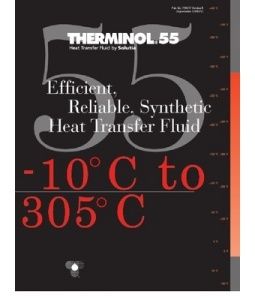
Tell us about your requirement

Price:
Quantity
Select Unit
- 50
- 100
- 200
- 250
- 500
- 1000+
Additional detail
Mobile number
Email

More Products in Heat Transfer And Flushing Fluids Category
Therminol 62 Heat Transfer Fluid
Minimum Order Quantity : 1 Barrel
Pressure : Low Pressure
Condition : New
Structure : Others
Type : Once Through
Usage : Industrial
Therminol FF
Minimum Order Quantity : 1 Barrel
Pressure : Low Pressure
Condition : New
Structure : Others
Type : Once Through
Usage : Industrial

"We are mainly dealing in Madhya Pradesh."
 Send Inquiry
Our Products

No. 105, Royal House, 11/3, Usha Ganj, Near Bright School, Indore - 452001, Madhya Pradesh, India

Mr Sanjeev Kumar Chhabra
(Director)
Mobile :08045804827
 Send Inquiry
 Send SMS
Developed and Managed by Infocom Network Private Limited.
